

July 26, 2026
.png)
Best Tyres for UK Roads: How to Choose the Right Tyres for British Weather and Road Conditions
Driving in the UK means dealing with a bit of everything – heavy rain, greasy city streets, pothole‑ridden B‑roads, frosty mornings and the odd heatwave. Your tyres are the only part of your car that actually touch the road, so choosing the right ones makes a huge difference to safety, comfort and running costs.
In this guide, we’ll walk through the best types of tyres for typical UK roads, what to look for on the sidewall, and when it’s time to replace them. We’ll also explain how mobile tyre fitting can take the hassle out of changing your tyres by coming directly to your home, work or roadside.
Why UK Roads Are Tough on Tyres
British roads and weather are hard work for tyres:
- Frequent rain means you need good wet‑grip and efficient water evacuation to avoid aquaplaning.
- Uneven tarmac, potholes and speed bumps can damage sidewalls and knock wheels out of balance.
- Stop‑start city traffic wears tread faster, especially on front tyres.
- Rural lanes and country roads often have loose gravel, mud and debris that can cause punctures.
- Cold, damp winters reduce grip and can harden cheaper rubber compounds.
Because of this, the “cheapest” tyre is rarely the best value. A quality, well‑chosen tyre will grip better in the wet, last longer and keep you safer on mixed UK roads.
Main Types of Tyres for UK Drivers
For most drivers in England, Scotland and Wales, there are three main categories to consider.
1. Summer Tyres
Summer tyres are designed for temperatures typically above 7°C. They use a harder rubber compound and tread pattern optimised for:
- Good grip and braking on dry roads.
- Strong wet‑weather performance in mild conditions.
- Stable handling at motorway speeds.
They are a good choice if:
- You mostly drive in cities and on motorways.
- You don’t see much snow or ice where you live.
- You want precise steering and shorter braking distances in warmer months.
However, in colder weather they can become harder and lose some grip, especially on frosty or icy mornings.
2. All‑Season Tyres
All‑season (or all‑weather) tyres are designed to cope with a bit of everything – exactly what many UK drivers face.
They usually offer:
- Better performance than summer tyres in cold, wet and light snowy conditions.
- A tread pattern that clears water and slush efficiently.
- A balanced compromise between grip, comfort and lifespan.
They are ideal if:
- You drive all year round on mixed roads and don’t want to swap tyres seasonally.
- You occasionally see snow or ice but not severe winter conditions for long periods.
- You want a simple, “fit and forget” option that’s safer in winter than a pure summer tyre.
Look for the M+S marking, and for more winter capability, the 3PMSF (three‑peak mountain snowflake) symbol.
3. Winter Tyres
Winter tyres use a softer compound and special sipes (small cuts in the tread) to stay flexible and grippy in cold conditions.
They make sense if:
- You live in a hilly or rural area that sees regular snow and ice.
- You often drive early in the morning or late at night in winter.
- You want maximum grip and confidence when temperatures drop well below 7°C.
Most UK drivers don’t need full winter tyres, but they are worth considering in more remote or highland areas where winter conditions are more severe.
Matching Tyres to Your Driving in the UK
To choose the best tyres for UK roads, think about where and how you drive most of the time.
Mainly City and Town Driving
If you spend most of your time in stop‑start traffic with low average speeds:
- Prioritise good wet‑grip and braking performance.
- Look for tyres with strong fuel‑efficiency and noise ratings to save on running costs.
- All‑season tyres can be a great choice for year‑round confidence in heavy rain and colder months.
Mostly Motorways and A‑Roads
If you regularly cover long distances on dual carriageways and motorways:
- Look for tyres with good high‑speed stability and low rolling resistance.
- A quality summer or all‑season tyre from a trusted brand will usually give you quieter, more comfortable cruising.
- Consider reinforced or XL‑rated tyres if you carry heavy loads or drive a larger car, SUV or van.
Rural Lanes and Poor‑Quality Roads
If you often drive on country roads, narrow lanes or surfaces full of potholes:
- Choose tyres with strong sidewalls to better resist damage.
- A slightly higher profile (more tyre sidewall) can improve comfort and reduce the risk of wheel damage.
- All‑season tyres with a more open tread can help clear mud, gravel and standing water.
Understanding Tyre Labels and Ratings
Most modern tyres sold in the UK carry a standard label to help you compare options. The main ratings to look at are:
- Wet grip: Graded from A (best) to E. This directly affects your stopping distance in the rain – a key factor for UK roads.
- Fuel efficiency: Also graded from A to E. Lower rolling resistance can save fuel or extend EV range.
- Noise: Measured in decibels and shown with sound bars. Quieter tyres can make motorway journeys more relaxed.
When in doubt, prioritise wet‑grip and braking performance. On British roads, stopping quickly in the rain matters more than a tiny fuel saving.
Tyres for EVs, SUVs and Vans
Not all tyres are created equal – different vehicles place different demands on them.
- EVs: Electric vehicles are heavier and deliver instant torque, which can wear tyres faster. Look for EV‑specific tyres with low rolling resistance and reinforced construction for the extra weight.
- SUVs and 4x4s: These vehicles are typically heavier and may be used on rougher roads or light off‑road tracks. Choose tyres designed for SUVs with appropriate load ratings and stronger sidewalls.
- Vans and commercial vehicles: If you depend on your van for work, downtime costs money. Van‑specific tyres with higher load ratings and tougher construction are essential, especially for delivery routes in busy cities and on rougher industrial roads.
If you’re unsure which type is right for your vehicle, a technician can recommend suitable options based on your registration and typical usage.
When to Replace Your Tyres
Even the best tyres don’t last forever. On UK roads, you should keep an eye out for:
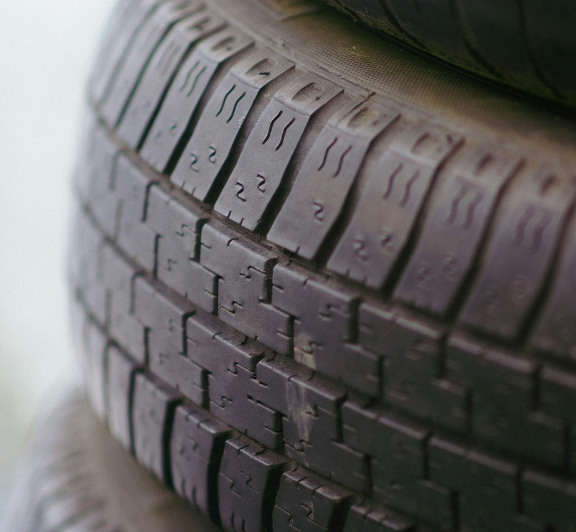
- Low tread depth: The legal minimum is 1.6 mm across the central three‑quarters of the tyre, but grip in the wet starts to drop off well before that. Many experts recommend changing at around 3 mm for best wet‑weather performance.
- Cracks or bulges: Sidewall cracks, cuts or bulges are warning signs and can lead to sudden failure.
- Uneven wear: More wear on one edge of the tyre can indicate alignment, suspension or pressure issues.
- Vibration or pulling: If the steering wheel vibrates or the car pulls to one side, your tyres or wheel balance may need attention.
If you’re not sure whether your tyres are still safe, a quick inspection by a technician can give you peace of mind.
How Mobile Tyre Fitting Helps on UK Roads
When you discover a worn tyre, puncture or sidewall damage, the last thing you want is to drive on a risky tyre to a garage.
With a mobile tyre fitting service:
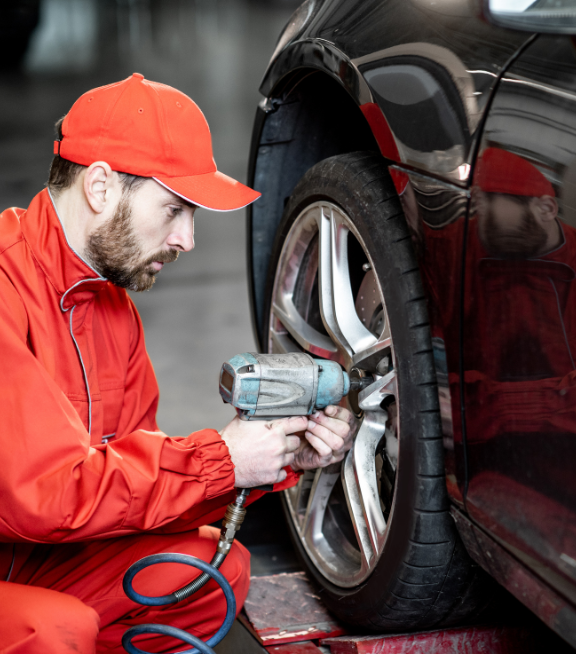
- A technician comes to your home, workplace or roadside across the UK.
- They bring the correct tyres, professional fitting and balancing equipment to you.
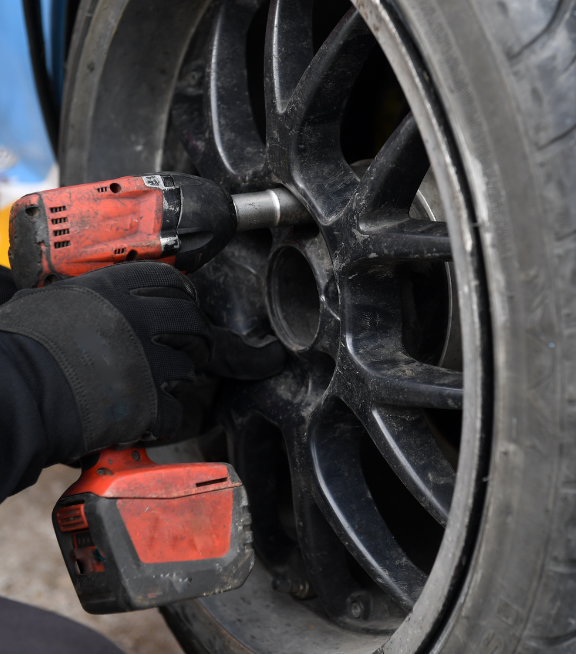
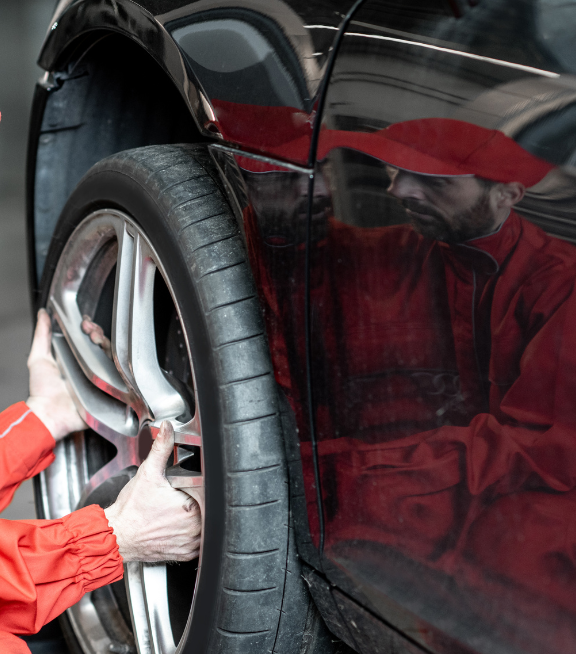
- Old tyres are removed, new ones are fitted, balanced and inflated to the right pressures.
- You’re back on the road quickly, without waiting rooms, recovery trucks or towing.
For drivers dealing with busy schedules, long commutes or unexpected punctures on UK roads, mobile fitting is often the quickest and safest option.
Key Takeaways
- UK roads and British weather are demanding, so investing in the right tyres is essential for safety and comfort.
- Summer, all‑season and winter tyres each have strengths; most UK drivers are well served by quality summer or all‑season tyres matched to their driving.
- Always pay attention to wet‑grip ratings and choose tyres with suitable load and speed ratings for your car, SUV, EV or van.
- Replace tyres before they reach the legal minimum tread depth, and watch out for cracks, bulges and uneven wear.
- Mobile tyre fitting lets you replace or upgrade your tyres at home, at work or roadside, helping you stay safe on UK roads with minimal disruption.
If you’re unsure which tyres are best for your journeys, a mobile technician can check your current setup, recommend suitable options for UK conditions, and fit them on the spot so you can drive away with confidence.

.svg)
.svg)